Abstract Technology Digital Futuristic: Defining the Future of Design
In the fast-paced world of digital marketing and creative design, static imagery often struggles to capture the fleeting attention of a modern audience. We are constantly seeking assets that don't just sit on a page but vibrate with energy and purpose. This is where the specific aesthetic of Abstract Technology Digital Futuristic comes into play. It is more than just a collection of lines; it is a visual language that speaks to innovation, speed, and high-level efficiency. When you combine this aesthetic with high-quality vector assets, you unlock a toolkit that serves everyone from the independent blogger to the corporate brand strategist.
The Anatomy of Speed and Light
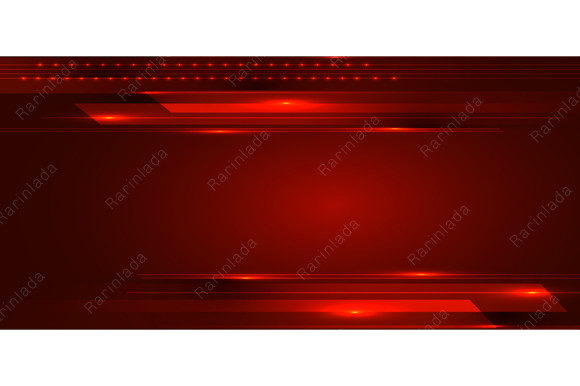
When we talk about the visual characteristics of this design style, we are looking at a specific interplay of geometry and color. The core of the Abstract Technology Digital Futuristic concept relies on dynamic motion. Imagine stripes and lines that aren't static, but are rather captured mid-flight. These elements create a sense of velocity, suggesting that whatever brand or project they represent is moving forward—fast.
The personality of this style is undeniably confident and energetic. It avoids the clutter of traditional illustration in favor of clean, sweeping strokes. The use of glowing light rays against a deep red background creates a high-contrast environment that feels cinematic. This isn't just decoration; it is an atmosphere. The "science energy" vibe suggests precision and power. For a designer, this means you aren't just placing a graphic on a background; you are injecting adrenaline into your layout. The visual appeal lies in its ability to be both abstract and deeply intentional. It doesn't depict a specific object, which makes it incredibly versatile for branding. It depicts a feeling—the feeling of the future.
Strategic Applications for Modern Creators
Understanding where to deploy such a powerful visual style is key to maximizing its impact. Because the Abstract Technology Digital Futuristic aesthetic is rooted in motion and technology, it naturally fits into industries that value innovation. However, its application is far broader than just tech startups.
Brand Identity and Logo Design
For entrepreneurs and small business owners, establishing a brand identity that feels current is a significant hurdle. Using this style as a background element in logo design or hero imagery instantly modernizes a brand. It tells the audience that you are forward-thinking. A marketing agency or a financial consultant could use these red, glowing vectors to suggest that they are cutting through the noise to find solutions for their clients.
Digital and Print Media
The versatility of these assets shines in editorial design and web design. Imagine the header of a tech blog or the cover of a magazine focusing on innovation. The speed lines guide the reader's eye naturally across the page, creating a visual hierarchy that highlights your headline text. Because the file is provided in high-resolution 300 DPI and 100% vector formats (EPS and JPG), it transitions seamlessly from screen to print. This is crucial for packaging design where texture and clarity matter, or for large-format printing like trade show banners where pixelation is unacceptable.
Social Media and Content Creation
In the realm of social media graphics, stopping the scroll is the ultimate goal. The glowing red energy of this concept acts as a pattern interrupt. Content creators and influencers can use these assets as overlays for video intros or as backgrounds for quote cards. The high-energy vibe keeps the audience engaged, making the content feel more produced and professional.
Influence on Typography and Perception
Choosing a premium font or design asset is never just about aesthetics; it is about psychology. The Abstract Technology Digital Futuristic style influences how your text is perceived. When you place a clean sans serif font over these dynamic lines, the contrast between the rigid structure of the typeface and the fluid motion of the background creates a striking visual hierarchy.
This interplay affects readability and engagement. If the background is too chaotic, the text gets lost. However, the structured nature of these specific vector stripes—despite their speed—leaves enough negative space for text to breathe. This allows for better font pairing. You could pair a bold, heavy display typeface with these graphics to emphasize strength, or a light, airy script font to create an unexpected juxtaposition between human touch and digital precision.
For brands, consistency is currency. Using a cohesive set of assets that share the same color palette (the specific red and glowing whites) and energy level builds brand recognition. When a user sees that specific shade of red and those specific motion lines, they immediately associate it with your brand identity, even before they read the text. This level of professionalism signals to the audience that you pay attention to details, which builds trust.
Practical Guide to Implementation and Licensing
For the creative professional or hobbyist looking to integrate this into their workflow, the technical specifications are just as important as the visual ones. The fact that this is 100% vector artwork is the most critical feature here. Raster images (like standard JPGs) are fixed in size; if you scale them up, they blur. Vector graphics, however, are mathematical. You can scale the Abstract Technology Digital Futuristic stripes to the size of a postage stamp or the side of a building, and they will remain razor-sharp.
Being fully editable in programs like Adobe Illustrator or Corel Draw means you have total control. You aren't stuck with red. If your client’s brand identity uses blue or neon green, you can easily modify the color values of the glowing light rays. You can also deconstruct the elements—perhaps using just a single speed line for a subtle background texture in a web design layout.
Workflow and File Management
When you download the package, you will find EPS (Version 10) and JPG files. The EPS vector format is your working file. It preserves the layers and editability. The JPG is useful for quick previews or for use in software that doesn't handle vectors well, though for professional design assets, the vector is always the superior choice.
Evaluating Project Fit
Before applying this style, consider your audience. While this aesthetic is fantastic for creative font projects, tech presentations, music covers, and modern apparel, it might feel out of place for a traditional law firm or a vintage bakery. The "science energy" vibe is specific. However, for the target demographic of designers, marketers, and publishers, this style is a goldmine for adding that "wow" factor without resorting to generic stock photography.
In conclusion, the Abstract Technology Digital Futuristic concept offers a potent mix of motion, energy, and scalability. It is a tool for those who want their projects to look not just good, but fast and intelligent. Whether you are refining a logo design, spicing up social media graphics, or laying out a futuristic editorial spread, these high-resolution vectors provide the building blocks for a compelling visual narrative.