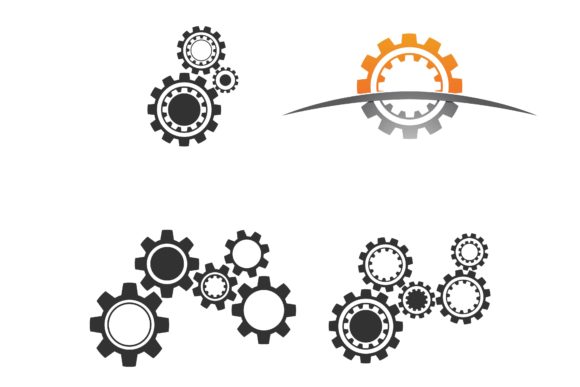
Why Gear Logo and Symbol Vector Elements Define Industry
In the landscape of modern branding, few symbols carry as much immediate weight as the gear. It is a universal signifier of work, progress, and intricate systems. When we talk about Gear Logo and Symbol Vector Elements, we are discussing more than just a collection of shapes; we are looking at the building blocks of industrial identity. These vector elements are designed to communicate precision and power instantly. Whether you are building a brand for a mechanic, a tech startup, or a construction firm, the gear motif suggests that there is a complex machine working behind the scenes to deliver results. It appeals to the logical side of the consumer brain, offering a visual promise of reliability.
The visual personality of these elements is rooted in geometry and balance. A well-crafted gear icon relies on the perfect relationship between the inner circle and the outer teeth. This symmetry creates a sense of stability. Unlike organic shapes found in nature, the gear is mechanical and intentional. It speaks to the engineer and the architect. When you incorporate these vector elements into a design, you are borrowing that sense of technical authority. The "vector" aspect is crucial here; it means the designs are mathematically precise, allowing them to scale from a tiny favicon on a browser tab to a massive billboard without losing an ounce of clarity. This scalability is essential for maintaining a professional image across all mediums.
Visual Characteristics and Symbolism
What makes a gear logo so effective is its inherent association with motion. A stationary gear implies a machine ready to start, while interlocking gears suggest collaboration and smooth operation. The silhouette is instantly recognizable. You do not need to read a word to understand what a gear represents. This is the power of a strong symbol in logo design. It transcends language barriers. The visual style can range from hyper-realistic 3D renderings that look like polished chrome to flat, minimalist icons used in web design. This versatility allows the gear concept to fit into various design trends, from retro industrial to futuristic tech.
However, the challenge lies in differentiation. Because the gear is such a common symbol in industry and engineering, it can easily become generic. This is where the specific design of the vector elements matters. Are the teeth rounded or sharp? Is the center a solid circle or does it feature a complex axle pattern? The best vector elements offer unique variations on this theme. They might incorporate a wrench, a lightning bolt, or a circuit board pattern inside the gear to specify the niche—be it auto repair, power generation, or computer networking. For the designer, choosing the right element means finding the balance between the familiar comfort of the symbol and the unique identity of the brand.
Practical Applications Across Media
When it comes to application, Gear Logo and Symbol Vector Elements shine in environments that require a display font or a bold logotype. Think about the header of a construction company website or the masthead of an engineering trade magazine. These are contexts where you need to project strength immediately. In packaging design, a gear emblem on the side of a box of tools or heavy equipment serves as a seal of quality. It tells the customer that the contents are durable and built for work.
Beyond the obvious industrial uses, these elements have found a home in more abstract business contexts. A management consulting firm might use a stylized gear to represent "business mechanics" or "operational efficiency." A computer network provider might use interlocking gears to symbolize connectivity and seamless data transfer. The key is to match the weight of the symbol with the tone of the brand. If you are designing for a boutique craft brewery, a heavy, rusted gear might feel too aggressive. But a clean, sans-serif font paired with a thin-line vector gear could suggest the "craft" and "mechanics" of brewing without feeling out of place. This adaptability is what makes them valuable design assets.
Strategic Branding and Consistency
Consistency is the bedrock of brand identity, and vector elements are your best tool for achieving it. Because these files are typically created as SVGs or AI files, you can easily extract parts of them to create secondary brand assets. For example, you might take the "tooth" of the gear and use it as a decorative bullet point in your editorial design or as a border element in your social media graphics. This creates a cohesive visual language that ties your website, your print materials, and your digital advertising together.
From a psychological perspective, using gear imagery influences how your audience perceives your competence. It suggests that your business is a well-oiled machine. It implies that you have systems in place and that you are in control of the process. This is particularly important for service-based businesses where the "product" is invisible. A plumber, an electrician, or a web developer is selling a promise of functionality. The gear symbol is a visual metaphor for that functionality. It reassures the client that the work will be done correctly and efficiently.
Choosing and Pairing Your Elements
When selecting these elements for a project, pay close attention to the weight and density of the vector. A very thick, bold gear requires a typeface that can stand up to it. Pairing a heavy industrial icon with a delicate script font often results in a visual mismatch that confuses the viewer. Instead, look for strong sans-serif fonts or bold slab serifs that share the same geometric stability as the gear. The goal is to create a hierarchy where the icon and the text support each other, rather than competing for attention.
Also, consider the commercial licensing of the vector elements you choose. In the world of graphic design, "free" often comes with limitations that can bite you later, especially in commercial applications like merchandise or large-scale advertising. Premium font and icon packs usually offer more comprehensive licensing and, importantly, higher quality construction. A poorly drawn vector gear will have jagged edges or uneven spacing that becomes glaringly obvious once you start working with it. Investing in high-quality design assets saves time and prevents headaches during the production phase.
Ultimately, Gear Logo and Symbol Vector Elements are about more than just mechanics; they are about the concept of progress. They represent the engine that drives the business forward. Whether you are creating a logo for a factory, a tech company, or a creative agency that wants to show they "make things happen," the gear remains one of the most potent symbols in the designer's toolkit. Use it wisely, pair it well, and it will convey a message of unwavering reliability to your audience.